
Data Size and Transfer
Explore the scale of VLBI data size and how the data are transferred for processing.
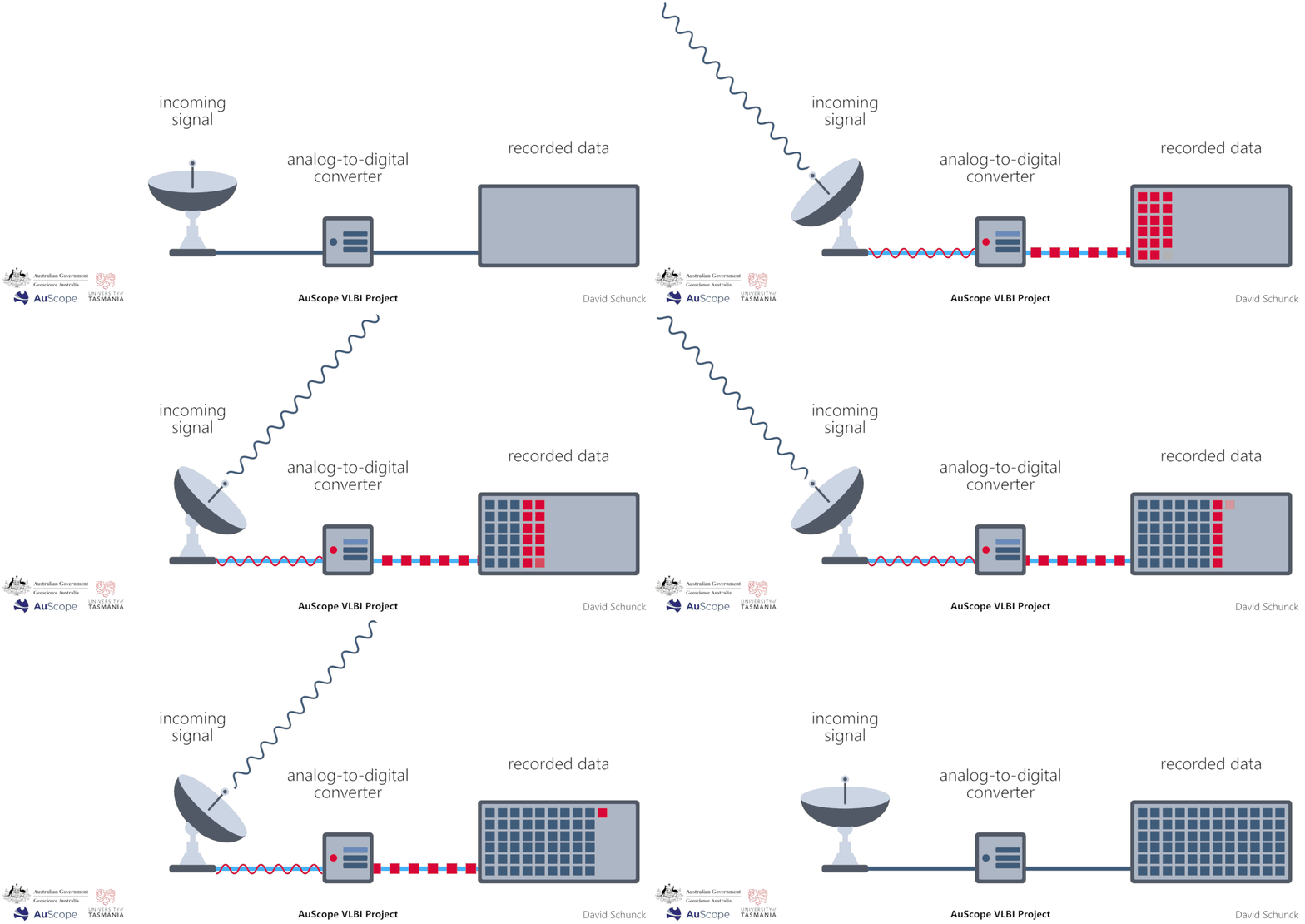
VLBI observing sessions typically last 24 hours. During this time, the radio telescopes point at a selection of radio sources and record their signals. The data recording process is visualised in the animation. The telescope slews to a radio source and receives the incoming signal. After completing a so-called scan, the telescope moves to the next radio source. The incoming signals are digitised using an analog-to-digital converter. This produces data at a rate of up to 8 gigabits per second.
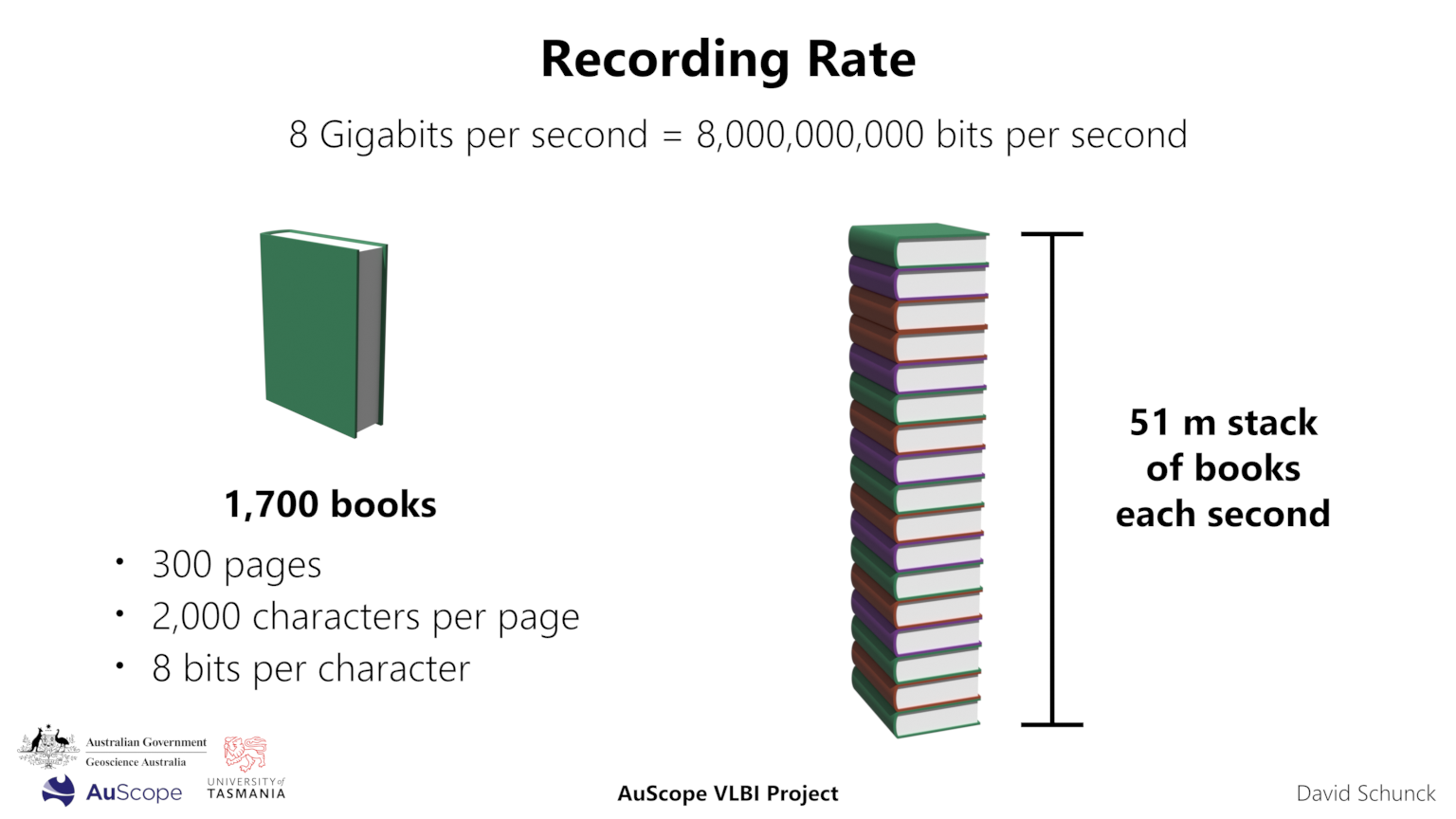
A recording rate of 8 gigabits per second means 8 billion bits every second. That’s equivalent to about 1,700 books, assuming each book has 300 pages, 2,000 characters per page, and each character is represented by 8 bits. If each book is 3 centimetres thick, a stack of these books would be 51 metres high. So, to put it into perspective: Every second, VLBI generates data equivalent to a 51-metre-tall stack of books.
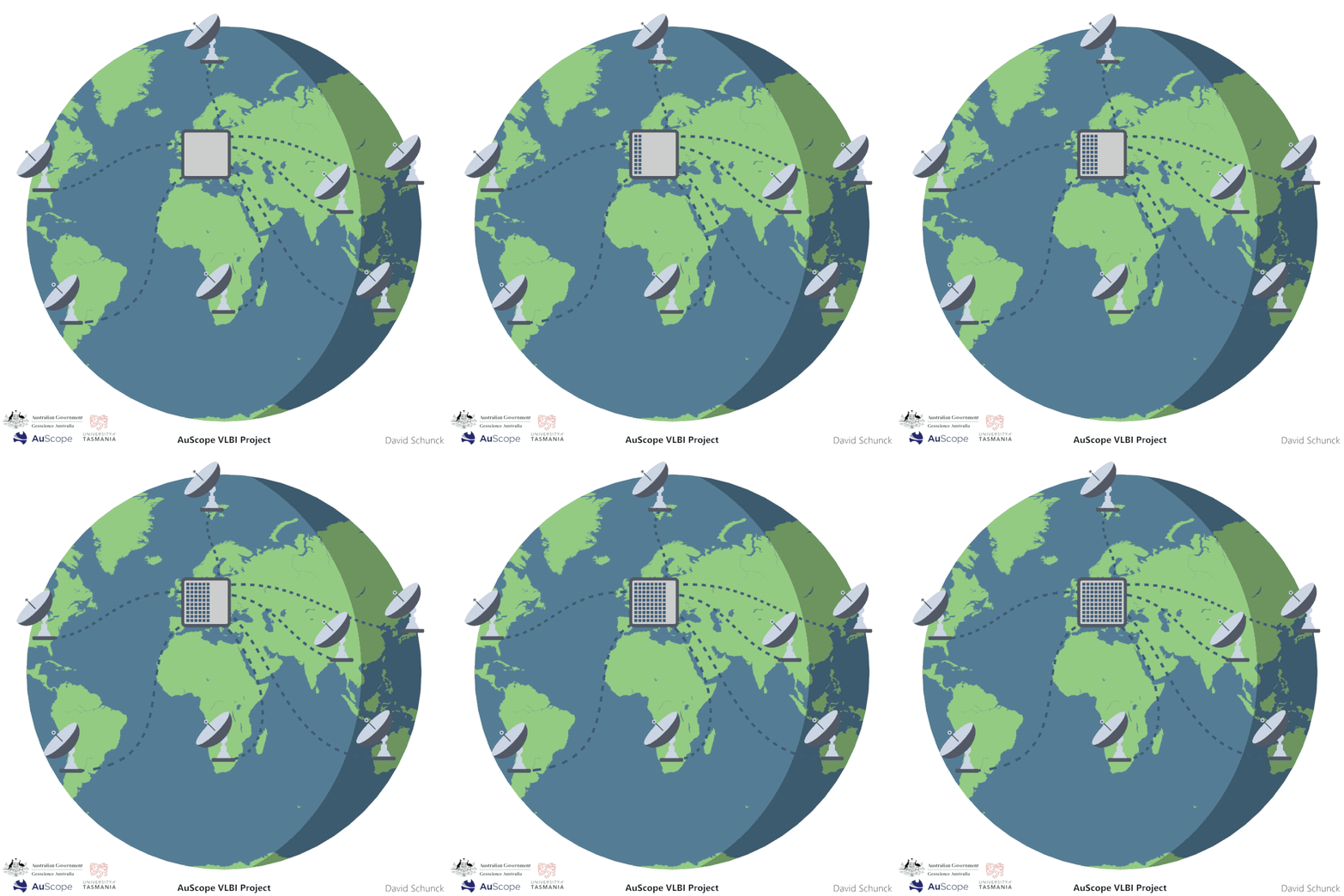
At the end of an experiment, around 30 terabytes of data are recorded. The data from all participating VLBI radio telescopes are then transferred to a central location. Here, the data are processed. A high-performance supercomputer aligns the recorded signals from all telescopes and derives a geodetic dataset in the form of delays.
This experimental AuScope science communication project was conducted in collaboration with Geoscience Australia and the University of Tasmania (UTAS).
It has been designed, created and produced by Dr David Schunck and Dr Lucia McCallum from the geodetic VLBI research group at the University of Tasmania.
All graphics and animations on this website may be used freely for educational and non-commercial purposes with appropriate attribution.